Seating Chart Etiquette for Wedding Planners: Skip Full Reprints

Seating Chart Etiquette for Wedding Planners: Skip Full Reprints
Assign tables, not necessarily individual seats, using a scaled venue floor plan, then prioritize accessibility and relationships over strict categories. This approach works because it respects how guests actually mingle while keeping service efficient. Finalize the chart after RSVPs close, display it clearly with escort or place cards, and handle any last-minute changes at the card level instead of reprinting the whole plan.
TL;DR:
- Group guests as RSVPs arrive, finalize after the deadline, lock the chart two to three weeks before the event, and review it 48 hours beforehand.
- Buffets and meals served family style need only table assignments; plated dinners call for place cards that match each guest with the correct meal.
- Keep couples together and skip a singles table; spread solo guests among a few tables where they know a familiar connector.
- Ask divorced parents privately about seating preferences, since seating them together without consent can cause discomfort or suggest favoritism to other family members.
- Place an alphabetical chart near the entrance, and station a helper there for 15 to 20 minutes to answer questions and keep guests moving.
Table of Contents
- Why a seating chart matters for guest comfort and flow
- When to start and finalize your seating chart
- How to plan a seating chart step by step
- Etiquette rules for who sits where
- How guests find their seats: chart, escort cards, and place cards
- Handling day-of changes without reprinting anything
- How an event planning platform simplifies seating decisions
- A planner’s reflection on comfort over convention
- Let Jubiliq handle the seating logistics while you focus on the guest list
- FAQ
- Sources
Why a seating chart matters for guest comfort and flow
A seating chart does more than organize names. It prevents the awkward scramble that happens when 100 people try to find open chairs at once, and it keeps servers moving instead of guessing who ordered the chicken. Emily Post’s guidance notes that assigning tables, paired with place cards, improves guest comfort even when full seat assignments aren’t necessary.
A thoughtful chart also lets you fold in grandparents, coworkers, or a quiet cousin without putting anyone on display. People feel considered rather than sorted.
That said, not every event needs one:
- Open seating works fine for small, casual gatherings where mingling happens naturally.
- Assigned seating is worth the effort once the guest count is large enough that confusion and bottlenecks become likely.
- Formal plated dinners almost always call for assigned tables at minimum, since caterers need to know counts and meal choices per table.
When to start and finalize your seating chart
Seating decisions depend on data you don’t have until guests respond, so timing matters as much as the plan itself.
- Start grouping guests informally as RSVPs trickle in, noting obvious pairs, families, and friend clusters.
- Build a full draft once the RSVP deadline passes and you have a near-final headcount.
- Lock the chart two to three weeks before the event, giving vendors time to prepare name cards and table numbers.
- Do a final review 48 hours out to catch late changes, a step planners consistently recommend to avoid day-of surprises.
- Confirm final counts, dietary flags, and accessibility needs with your venue and caterer before that last pass.
How to plan a seating chart step by step
Start with a scaled floor plan of your venue, not a guest list. Mark the dance floor, service paths, restrooms, and the band or DJ setup first, since these determine which tables are awkward (too close to speakers) or ideal (near the action without blocking traffic).
Once the layout is set, batch guests into natural groups: immediate family, wedding party, college friends, coworkers. Seat VIPs and anyone with mobility needs first, choosing tables near exits or with clear sightlines, then fill in around them balancing quieter guests with a few natural conversationalists per table. Today’s Bride recommends thinking about table energy this way rather than seating strictly by category.
Decide table shapes and capacity based on your venue: Standard 60-inch round tables comfortably seat several guests, and planners generally recommend allowing sufficient space per guest for a banquet-style reception to avoid a cramped room, according to Wedding Dessert Table Ideas That Wow Guests – Dudley’s Toffee. For buffet or family-style service, table assignments alone are enough; reserve individual seat assignments for formal plated meals where servers need to match courses to guests.
- Map the floor plan before placing a single name.
- Seat accessibility and VIP guests first, then build outward.
- Match table shape and size to your actual guest count, not a guess.
Pro Tip: Build your draft in a digital tool you can edit in minutes, so a last-minute RSVP change doesn’t mean redrawing the whole chart by hand.
Etiquette rules for who sits where
Some seating decisions are really about family dynamics and social comfort, not logistics.
- Keep couples at the same table, and skip the “singles table” entirely. Spread solo guests across a few tables with a connector, someone who already knows them, instead.
- When parents are divorced or separated, ask discreetly how they’d like to be seated rather than assuming. Emily Post’s etiquette guidance notes that divorced parents generally should not be seated together without checking first, and seating them at equal-status tables avoids any appearance of favoritism.
- Confirm every plus-one by name well before finalizing, and list full names on place cards so there’s no confusion at check-in.
- Seat children by age and supervision needs: younger kids near a parent, older kids together if they’ll keep each other entertained.
- Run one last pass asking a simple question: will anyone at this table feel genuinely uncomfortable? Fix those seats before anything else.
How guests find their seats: chart, escort cards, and place cards
These three tools serve different jobs, and mixing them up creates confusion. A seating chart is the overview, usually a large printed display, that shows which table each guest belongs to. Escort cards are individual cards guests pick up to learn their table number. Place cards sit at the actual seat, confirming an exact spot, typically only needed for formal plated meals.
- Place the main chart near the entrance or a natural transition point, such as between ceremony and reception, according to Paperlust’s planning guide.
- Use a large, readable font and list names alphabetically to speed up the search.
- Station a helper near the chart for the first 15 to 20 minutes to answer “I can’t find my name” questions and keep the line moving.
Handling day-of changes without reprinting anything
Last-minute shifts are normal, and the fix almost always happens at the place-card level rather than the master chart.
- For a late addition or drop, write a new card by hand or simply remove a place setting instead of reprinting the display.
- Assign one trusted helper to manage questions at the chart, armed with a printed cheat-sheet of any changes made after the chart was finalized.
- If a table ends up short, combine small groups or leave one seat open for a possible late arrival rather than rearranging names under pressure.
Paperlust notes that small fixes like these prevent most seating problems without the cost or stress of a full reprint.
How an event planning platform simplifies seating decisions
Seating gets easier when RSVP data, dietary notes, and accessibility flags live in one place instead of scattered spreadsheets. We built Jubiliq’s seating chart tools to pull that information directly into a drag-and-drop floor plan, so moving a guest between tables takes seconds, not a redesign. When the chart is final, we export vendor-ready place-card lists and a printable day sheet your day-of helper can use at the check-in table.

A planner’s reflection on comfort over convention
Seating charts are an act of hospitality before they’re a logistics exercise. Every placement sends a quiet message about how much you noticed someone’s comfort, whether that’s a wheelchair-accessible table or a seat next to a familiar face instead of a stranger. A handful of small, considerate choices, made early and revisited honestly, do more to make a reception feel warm than any strict rule about who’s “supposed” to sit where.
— HCRF
Let Jubiliq handle the seating logistics while you focus on the guest list
Building a seating chart by hand means juggling RSVP spreadsheets, dietary notes, and a floor plan sketch all at once. The adaptive interface surfaces only the seating and RSVP tools relevant to a wedding, so you’re not digging through features built for corporate galas or fundraisers.
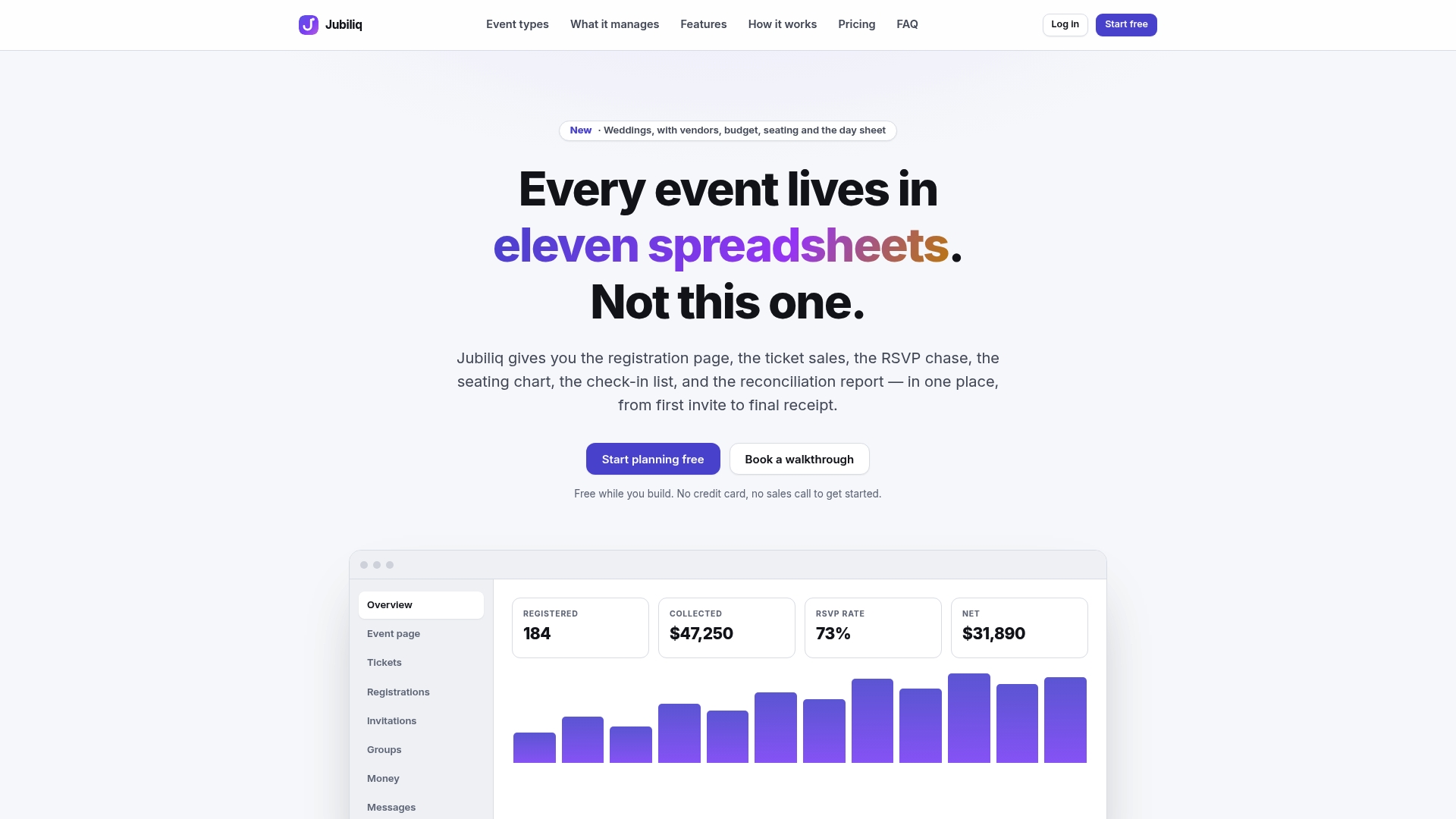
- Pull RSVP responses, dietary flags, and accessibility notes into one seating view.
- Drag and drop guests between tables and reprint place-card lists instantly when something changes.
If you want templates and exportable guest lists, visit our Starter and Organizer plans to start building your seating workflow today.
FAQ
Why have a seating chart at a wedding?
A seating chart keeps your reception running smoothly by preventing guests from scrambling for open seats and helping servers match meals to the right tables. It also lets you thoughtfully group family, friends, and coworkers so everyone feels considered rather than left to find their own spot.
What is the 50/20/30 rule for weddings?
This isn’t a recognized etiquette standard, and no major wedding-planning source defines it as a seating rule. If you’ve seen it referenced, it’s likely a budgeting guideline rather than a seating chart principle, so it’s worth confirming the source before applying it to your guest list.
How should couples sit at a table?
Couples should generally be seated together at the same table rather than split across different groups. Avoid creating a “singles table” for unattached guests; instead, spread them among a few tables near people they already know.
Where does the seating chart go at a wedding?
The main seating chart typically goes near the entrance to the reception or at a natural transition point between the ceremony and reception, based on Paperlust’s placement guidance. Alphabetical ordering and a readable font size help guests find their names quickly without creating a bottleneck.
Sources
- Inside Weddings: Printed items for your wedding — Emily Post
- Your guide to wedding seating chart etiquette - Today’s Bride
- Wedding Seating Chart Guide - Paperlust
- Wedding seat planning made easy - Bespoke Bride